
Sciatica vs. Lower Back Pain: How to Tell the Difference and When to Seek Chiropractic Care

Not all back pain starts or feels the same. A dull ache after hours of sitting may point to a different problem than burning pain traveling from your lower back into your leg. Knowing the difference between sciatica and lower back pain can help you recognize when symptoms deserve a closer look. At The Fix Chiropractic in Wilmington, NC, we help patients understand their back pain and explore appropriate care options.
What Is Lower Back Pain?
Lower back pain refers to discomfort in the lumbar area, between the ribs and hips. It can develop after heavy lifting, prolonged sitting, exercise, or an awkward movement. Common symptoms include aching, muscle tightness, stiffness, or pain when bending and standing.
Unlike sciatica, nonspecific lower back pain often stays centered in the back, although it can sometimes extend into the buttocks. Many episodes improve with time and gentle movement, but persistent or worsening discomfort deserves attention.
How Is Sciatica Different?
Sciatica describes nerve-related pain that develops when a nerve root in the lower spine becomes irritated or compressed. Symptoms typically travel through one buttock and down the back or side of a leg. The pain may reach the calf or foot, sometimes without significant lower back discomfort.
A herniated disc or narrowing around the spinal nerves can contribute to sciatica. Because other conditions can cause similar symptoms, an evaluation is important before deciding on treatment.
Signs That May Point to Sciatica
While symptoms vary, common clues include:
· Sharp, shooting, burning, or electric-like pain traveling into one leg
· Tingling or pins-and-needles sensations in the leg or foot
· Numbness affecting part of the leg or foot
· Pain that worsens with prolonged sitting, coughing, or sneezing
· Weakness in the affected leg or foot
These symptoms can overlap with other conditions. Their location, severity, and effect on movement help guide an appropriate assessment.
When Should You Seek Professional Care?
Consider an evaluation when lower back pain lasts more than a few days without improving, repeatedly returns, or interferes with work, sleep, or daily activities. Leg pain, tingling, or numbness should also be assessed, especially if symptoms are increasing. New muscle weakness requires prompt medical attention.
Seek emergency care for new loss of bladder or bowel control, numbness around the groin or saddle area, or rapidly worsening leg weakness. These symptoms may signal serious nerve compression and should not be managed through routine chiropractic treatment.
How Chiropractic Care May Help
At The Fix Chiropractic, we consider your symptoms, health history, and mobility before recommending care. For some people with nonspecific lower back pain, chiropractic adjustments may provide modest pain relief and help improve movement. Exercise recommendations and practical changes to daily activities may also support recovery.
Sciatica requires particular attention to nerve-related symptoms. If your examination suggests significant nerve involvement or another condition requiring medical treatment, further evaluation or referral may be necessary.
If lower back pain or possible sciatica is limiting your routine, call The Fix Chiropractic in Wilmington, NC, at (910) 659-8424 to schedule an evaluation and discuss your treatment options.
Helpful Articles
article_category: products
article_category: psychiatry
article_category: faqs
article_category: cats
article_category: general
article_category: services
article_category: technology
article_category: dogs
article_category: restorative
article_category: vision therapy
article_category: contact lenses
article_category: health
article_category: conditions
article_category: eye surgery co-management
article_category: exotic
article_category: cosmetic
article_category: surgical procedures
article_category: aesthetics
article_category: preventative
article_category: ocular disease management
article_category: eyeglasses
article_category: eye health
article_category: large animal
[]
Flowbite is an open-source library of interactive components built on top of Tailwind CSS including buttons, dropdowns, modals, navbars, and more.
Check out this guide to learn how to get started and start developing websites even faster with components on top of Tailwind CSS.
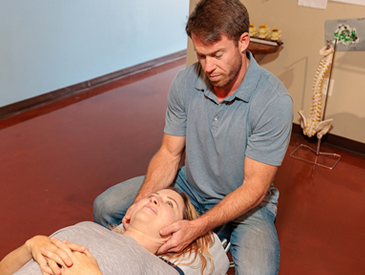
All Chiropractic Services
Our services aim to restore the body to its natural state of optimal health. We offer a wide range of specialized services, therapies, & techniques to make your journey to lasting wellness as efficient and effective as possible.

Keep In Touch
For non-urgent questions or to learn more about our services, contact us today!

Hours of Operation
Walk-In Chiropractic Hours
- Monday, Wednesday, Thursday 9:00am - 11:00am
2:00pm - 5:00pm
By Appointment Only hours are
- Monday, Wednesday, Thursday 8:00am-8:30pm, 11am-1:30pm, 5pm-6pm
- Tuesday 8:00am - 6:00pm
- Friday 8:00am-11:30am
- Monday
- Tuesday
- Wednesday
- Thursday
- Friday
- Saturday
- Sunday
Specialty treatment appts available at differing hours - Call to learn more
© 2026 The Fix Chiropractic. All rights Reserved - Accessibility Statement - Privacy Policy - Sitemap
Managed and Designed by 